7 DaysPopular
7-Day Northern Circuit Classic
a quote
The Cradle of Mankind and the migration's calving plains
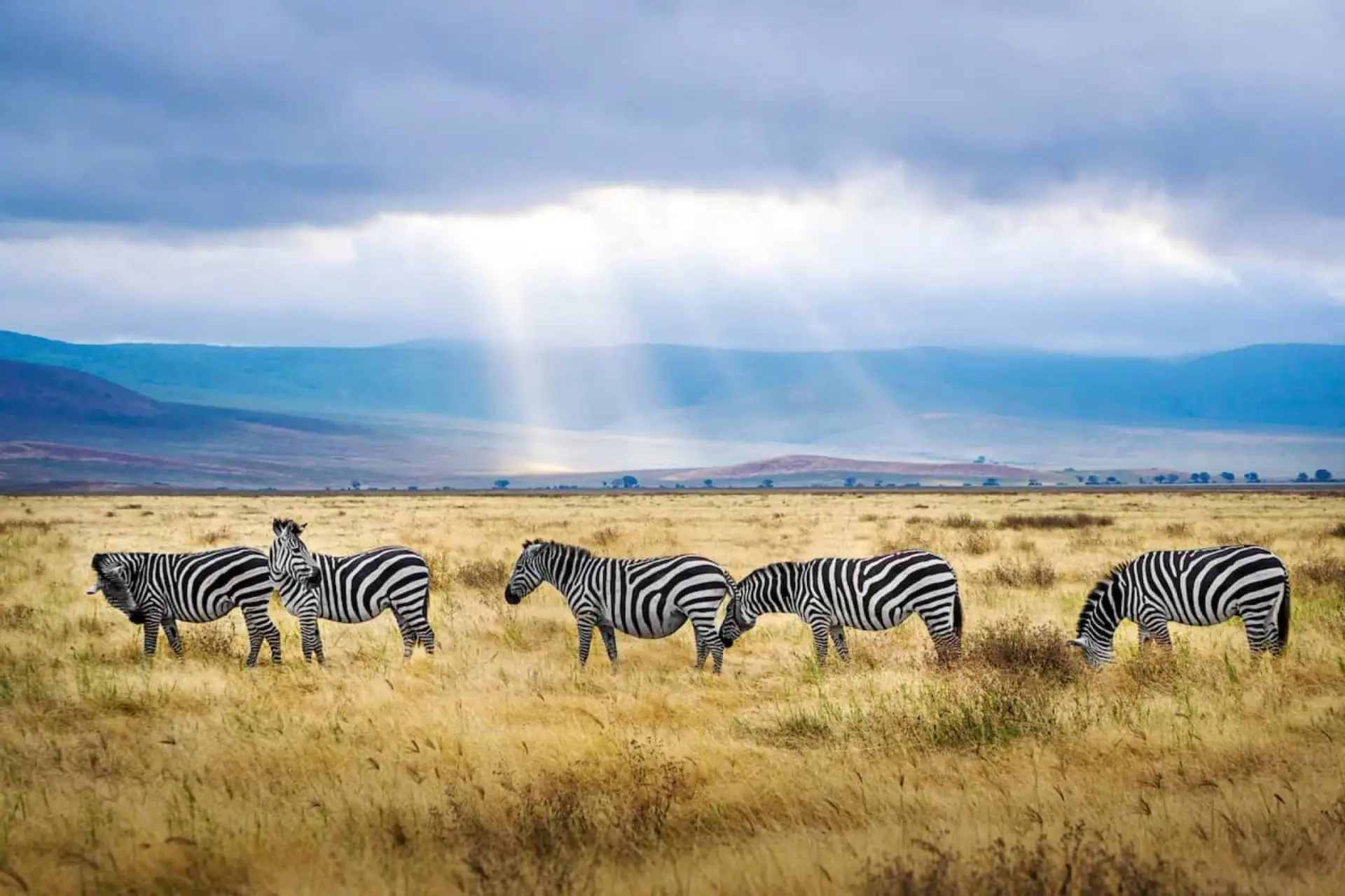
Within the Ngorongoro Conservation Area lie two very different draws: Olduvai Gorge, the “Cradle of Mankind” where early-hominin fossils were unearthed, and Ndutu, the southern short-grass plains that host the Great Migration's calving season.
Few places let you stand where humanity's story began in the morning and watch thousands of wildebeest give birth on the plains that afternoon.
Ndutu is a seasonal migration highlight (calving), so timing is everything. Olduvai works as a short cultural stop between the crater and the Serengeti.
Ndutu shines December–March for calving; Olduvai is year-round. Both fold naturally into a Ngorongoro–Serengeti itinerary.