7 DaysPopular
7-Day Northern Circuit Classic
a quote
A wildlife amphitheatre with black rhino
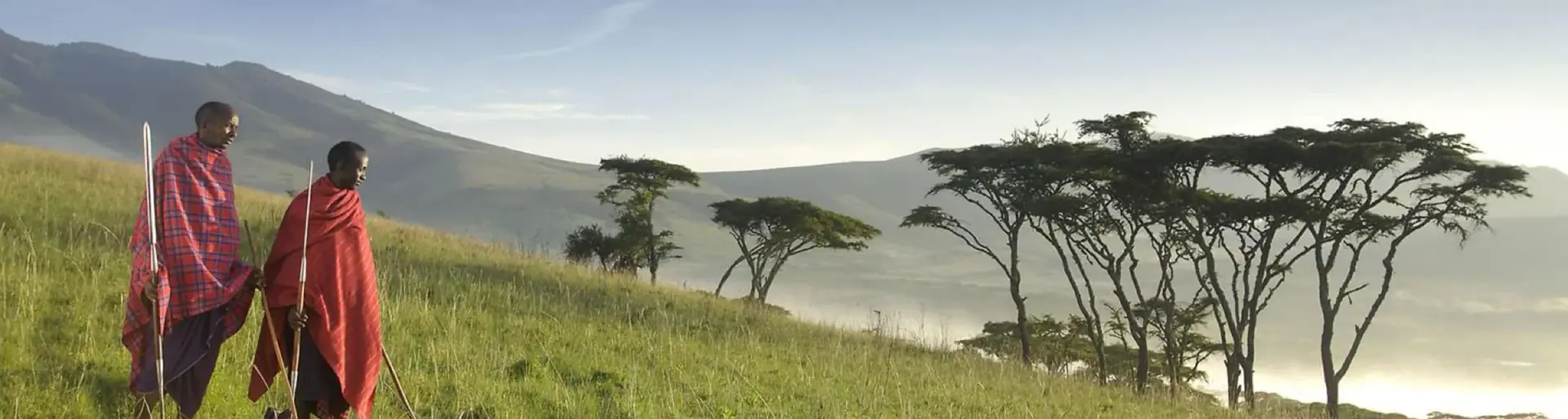
A vast 8,000+ km² conservation area running from the Serengeti to the Rift Valley, encompassing the Ngorongoro Crater, Ndutu, Olduvai Gorge, Empakaai and Olmoti craters, and the active Ol Doinyo Lengai volcano.
The crater is a self-contained “lost world” — a collapsed volcano whose walls hold one of the densest permanent wildlife populations on Earth, all viewable in a single unforgettable day.
It's a conservation area (not a national park), so Maasai and their livestock share the land. Crater fees are high, which is why crater days cost more. Mornings on the rim are cold — bring a layer.
Excellent year-round (resident wildlife doesn't migrate). Almost always paired with the Serengeti and Tarangire; the crater is the usual grand finale of a northern loop.